











Almere City Fight Hard to Establish Top-Flight Dutch Credentials: An Overall Review
Yes, Almere City has demonstrated the capacity to compete at the highest level, but they have not yet fully secured long-term top-flight stability. Recent match patterns, squad construction choices, and tactical adjustments show a side capable of producing high-quality performances, yet inconsistent enough to leave their Eredivisie status vulnerable depending on seasonal variables. If you are looking for a reliable preview of what it actually means to follow, attend, or evaluate this project, the assessment below breaks down the operational reality, the spectator experience, and the structural gaps that still need closing before they can be classified as a permanent top-flight fixture.
Five Key Observations on Their Current Trajectory
- The coaching staff prioritizes progressive ball circulation over conservative defensive blocks, which creates engaging matches but leaves the back line exposed against rapid transitional attacks.
- Home fixtures at Yanmar Stadion consistently deliver above-average crowd energy, though attendance fluctuates sharply when results dip mid-season.
- Recruitment leans toward technically competent midfielders and agile forwards rather than experienced Eredivisie veterans, resulting in a squad with high upside but limited injury insurance.
- Set-piece execution remains unpredictable; occasional brilliance alternates with disjointed routines that cost them points against mid-table opponents.
- Administrative planning focuses on sustainable wage structures and youth integration, which supports long-term viability but sacrifices immediate trophy contention.
 Hình minh hoạ: okking
Detailed Structural and Tactical Review
Evaluating a football club through a usability lens requires examining how well its components function together under pressure. Almere City operates with a clear philosophical baseline: control possession, press selectively, and exploit half-space transitions. This approach works remarkably well against teams that hesitate in buildup or struggle to compress space. However, the same methodology becomes a liability when facing organized low-block sides or clubs with elite counter-attacking speed. The gap between ideal performance and practical execution often comes down to decision-making in the final third and recovery speed after losing possession.
Squad Composition and Tactical Identity
The roster reads like a developmental blueprint rather than a finished championship product. Technical midfielders dominate the central zones, which improves passing accuracy and territorial control but occasionally reduces vertical penetration. Wingers operate with freedom to cut inside, creating overloads that force opposing fullbacks into difficult dual responsibilities. Defensively, the unit relies on coordinated shifting rather than individual marking, which demands high communication levels and positional discipline. When alignment holds, the structure looks polished. When fatigue sets in or rotation increases, spacing fractures and isolated defenders face disproportionate exposure.
Youth integration plays a visible role in training ground dynamics and matchday substitutions. Young players bring energy and willingness to execute high-intensity pressing triggers, yet they sometimes lack the situational awareness required in tight Eredivisie fixtures. Experienced signings tend to fill specific niches, such as aerial duels in attack or calm distribution under pressure, but contracts and playing time allocations suggest a rotational model rather than a fixed starting eleven. This flexibility keeps wages manageable and maintains competitive balance within the dressing room, though it also means starting lineups shift frequently based on form, fitness, and opponent scouting reports.
Matchday Environment and Viewing Value
For supporters considering ticket purchases or broadcast subscriptions, the actual product delivers solid entertainment value. Yanmar Stadion offers clear sightlines, compact seating that amplifies vocal support, and efficient concession flow that minimizes downtime during intervals. The atmosphere tends to build gradually, peaking during sustained attacking phases or late-match scenarios where momentum shifts rapidly. Broadcast coverage provides standard tactical angles with adequate commentary depth, though production quality varies depending on network scheduling and regional rights agreements.
Accessibility features remain functional rather than exceptional. Parking availability improves significantly when matches start outside peak evening hours, and public transport links connect directly to the station with minimal walking distance. Family-friendly zones exist but require advance booking due to limited capacity. For international viewers, streaming options depend heavily on geographic licensing, which means reliable access should be verified before committing to a season pass or multi-match package. The overall viewing experience rewards patience and tactical interest more than casual weekend consumption.
Recruitment Patterns and Long-Term Viability
Transfer activity follows a measured trajectory focused on technical compatibility and resale potential. Scouts prioritize players with proven progression records in lower divisions or academy environments, then test them through pre-season friendlies and cup runs before integrating them into league rotations. This method reduces upfront financial risk while allowing the sporting director to assess adaptation speed to Dutch physical standards and refereeing tendencies. However, the approach also means squad depth suffers during congested fixture periods, particularly when multiple players experience minor knocks simultaneously.
Contract extensions target core performers who demonstrate leadership qualities and consistent availability. These extensions typically include performance-based clauses tied to appearances, disciplinary records, and team placement targets rather than goal metrics. Financial transparency suggests a commitment to breakeven operations, which aligns with modern Eredivisie sustainability guidelines. While this model prevents reckless spending, it also limits the ability to intervene aggressively during relegation scrambles or unexpected title pushes. Stakeholders should monitor off-season windows closely, as strategic acquisitions during July and August usually determine whether the squad maintains continuity or undergoes disruptive reconstruction.

Comparative Positioning Within the Eredivisie Landscape
| Criteria | Top Six Contenders | Almere City | Relegation Battlers |
|---|---|---|---|
| Squad Depth | High rotation capacity, proven backups | Moderate, relies on youth call-ups | Limited, frequent injuries impact form |
| Tactical Consistency | Adapts smoothly across formations | Strong in possession, vulnerable in transition | Often reactive, lacks structured buildup |
| Matchday Experience | Premium facilities, global broadcast reach | Intimate atmosphere, reliable local coverage | Variable attendance, limited amenities |
| Financial Approach | Investment-driven with sponsorship backing | Sustainable, player-development focused | Budget-constrained, reliance on loans |
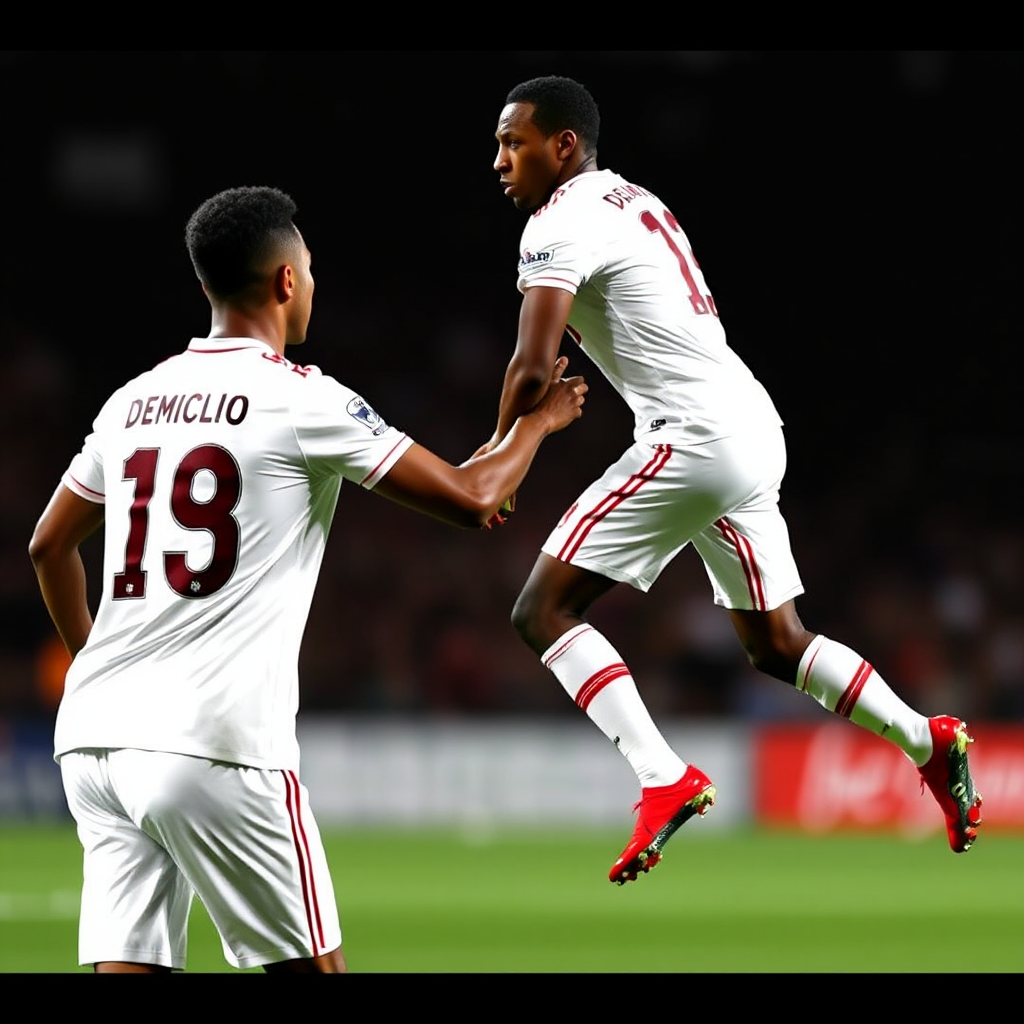
Who Benefits from Following This Project and Who Should Look Elsewhere
Understanding whether Almere City aligns with your expectations requires separating emotional attachment from practical evaluation. Supporters who appreciate tactical evolution, developmental narratives, and high-tempo attacking football will find substantial value in tracking their campaigns. The matches rarely feel stale, even during draws, because both sides typically commit to proactive engagement rather than parking buses. Fans who enjoy analyzing pressing triggers, half-space rotations, and set-piece variations will discover plenty of material to study across broadcast replays and post-match breakdowns.
Additionally, individuals interested in sustainable club management models benefit from observing how administrative decisions translate to pitch outcomes. The emphasis on wage control, contract flexibility, and youth pathways provides a realistic case study in modern Dutch football economics. Attendance at home games delivers genuine community interaction, with supporter groups organizing coordinated chants and maintaining clean terraces without relying on expensive security setups. If you value transparency, developmental progress, and entertaining possession-based football, this environment suits your preferences.
Conversely, audiences seeking guaranteed European qualification, defensive invulnerability, or predictable result trajectories should consider alternative projects. The squad lacks the physical dominance required to neutralize traditional powerhouse sides consistently, and tactical rigidities emerge when coaches refuse to deviate from preferred systems under pressure. Casual viewers expecting weekly highlight-reel finishes may experience frustration during periods of stagnation or early-round cup exits. Those prioritizing brand prestige, star-player visibility, or premium stadium infrastructure will likely find better alignment with established top-tier franchises.
International observers should note that broadcasting rights allocation often determines accessibility. Regional networks hold exclusive licenses, meaning global streams may carry delays, commentary mismatches, or restricted camera angles. Verifying platform availability before purchasing season packages prevents unnecessary friction. Local fans traveling from surrounding municipalities benefit from straightforward routing and affordable parking, whereas distant supporters may face logistical complications during winter fixtures when weather affects travel times.
Practical Recommendations and Next Steps
Approaching this club as a spectator or analyst requires structured preparation rather than impulsive engagement. The following steps help optimize matchday experiences, improve viewing clarity, and align expectations with operational realities:
- Verify broadcast licensing in your region before committing to subscription bundles, since rights holders change annually and affect stream quality or commentary language.
- Book home tickets at least three weeks in advance, especially for derby matchups or fixtures against top-six opposition, to secure seated sections near the pitch.
- Review pre-match tactical previews published by independent analysts, focusing on formation adjustments, pressing intensity projections, and expected lineup rotations.
- Arrive at Yanmar Stadion ninety minutes before kickoff to navigate security checks efficiently, purchase official merchandise without queues, and observe warm-up routines.
- Track injury reports through official club channels rather than speculative forums, as confirmed absence notifications directly impact substitution strategies and bench strength.
- Participate in post-match discussion threads that emphasize statistical breakdowns over emotional reactions, which improves long-term understanding of tactical trends.
- Monitor off-season recruitment patterns to identify emerging talents who may influence next year’s competitive positioning and ticket pricing tiers.
These actions reduce uncertainty, streamline logistics, and ensure that your engagement aligns with the actual product being delivered. When combined with realistic expectations about developmental pacing and seasonal volatility, the experience becomes significantly more rewarding. For additional resources covering match analysis frameworks and viewer guides, you can explore okking, which aggregates structured breakdowns and tactical summaries useful for both casual followers and dedicated analysts.
Frequently Asked Questions
How reliable is the squad rotation policy during congested fixture periods?
Rotation follows a merit-based framework rather than automatic rest cycles. Players who maintain high training availability and recover quickly typically receive increased minutes, while those carrying minor knocks are managed conservatively. Expect two to three lineup changes per match during back-to-back schedules, with youth prospects stepping in when senior options require recovery time.
What is the best way to access live match data for tactical analysis?
Official club dashboards provide basic event logs, heat maps, and passing networks. Third-party analytics platforms offer deeper metrics such as progressive carries, defensive pressures, and xG timelines, though premium access may be required. Cross-referencing broadcast replays with these datasets yields the most accurate tactical assessments.
Do away supporters receive dedicated sections with improved safety measures?
Visiting fans are allocated enclosed terraces separated from home sections by physical barriers and steward monitoring. Entry procedures require validated tickets and photo identification during high-profile fixtures. Arriving two hours early ensures smooth processing and reduces congestion near turnstiles.
How does the club handle ticket refunds for postponed or cancelled matches?
Standard policy grants automatic credit for rescheduled dates or direct refunds if new fixtures fall outside the original season calendar. Requests must be submitted within fourteen days of official postponement notices, and processing times vary depending on payment gateway verification. Keep transaction receipts accessible to expedite customer service reviews.