











sunwinvy.com Sports Coverage: Follow Major Football Competitions and Events
Trying to keep up with major football tournaments often feels like managing a part-time job. Leagues span multiple continents, kickoff times clash with work schedules, broadcast rights fragment across different providers, and unofficial channels flood your feed with speculation rather than verified facts. Even dedicated supporters struggle to capture lineups, tactical shifts, injury updates, and post-match analysis without switching between five or six different apps and websites. The friction is real, and it forces most fans to settle for either fragmented updates or complete silence until the final whistle blows.
What Fans Are Actually Searching For When Tracking Modern Matches
The demand has shifted dramatically away from passive television viewing toward active, on-demand engagement. Supporters no longer just want to know the score. They want minute-by-minute timelines, expected goal metrics, passing networks, referee decisions, and historical context that explains why a particular formation succeeded or failed under pressure. The search landscape reflects this complexity. Queries cluster around live commentary availability, statistical accuracy, multilingual coverage, offline accessibility, and community validation of breaking news. When a high-profile derby or continental knockout stage arrives, the volume of competing signals increases exponentially, making source selection critical.
Another persistent expectation involves consistency across competitions. A single platform that handles domestic league fixtures, international friendlies, and youth development tournaments without changing its editorial standard builds trust over time. Fragmented experiences force users to maintain separate bookmarks, reset preferences repeatedly, and deal with inconsistent notification logic. The ideal solution anticipates these workflow interruptions and centralizes the entire match ecosystem behind a unified dashboard.
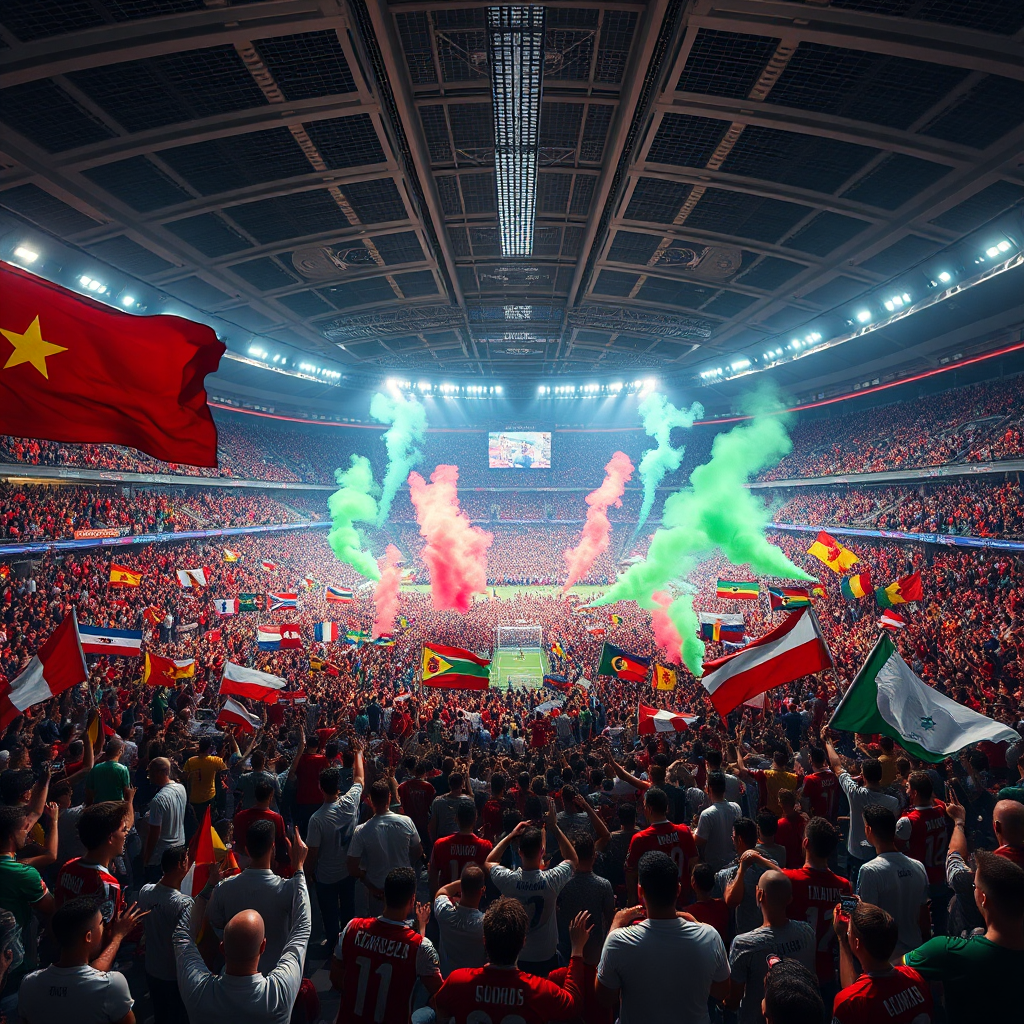 Hình minh hoạ: sunwin
How Digital Match Coverage Platforms Operate Today
Modern sports media architectures rely on layered data pipelines. Primary feeds pull directly from league officiating bodies, club communications departments, and licensed statistical providers. Secondary layers apply machine learning models to predict lineup changes, simulate match outcomes, and flag anomalies in player movement patterns. Tertiary layers handle editorial curation, translating raw metrics into narrative formats suitable for casual viewers and hardcore analysts alike. The separation between automated data ingestion and human oversight determines whether a platform delivers reliable coverage or merely amplifies noise.
Latency remains the primary technical constraint. Even premium infrastructure cannot bypass the physical delay between stadium events and server propagation. Most reputable services acknowledge this gap by labeling updates as real-time approximations rather than absolute truths. Transparency about data sourcing, update frequency, and correction protocols separates mature operations from disposable aggregators. When platforms openly document their methodology, readers can calibrate their expectations accordingly and avoid chasing phantom updates that never materialize.
Navigating the User Journey: From First Access to Daily Engagement
Entering a new match-tracking environment usually begins with discovery. Readers encounter the platform through search results, social recommendations, or affiliate referrals. The initial impression hinges on clarity, not decoration. Functional navigation should surface tournament brackets, fixture calendars, and team profiles without forcing users to scroll past promotional banners or intrusive pop-ups. Once inside, the registration phase typically requests minimal information to preserve anonymity while enabling personalized feeds. Avoid services that demand excessive personal details before granting basic access to public match data.
After account creation, the configuration stage defines your long-term experience. Customizing preferred leagues, setting favorite teams, adjusting notification thresholds, and selecting language preferences establishes the baseline for daily interaction. A well-designed system remembers these choices across sessions and applies them automatically to future visits. If you frequently switch between watching domestic derbies and tracking continental qualifiers, multi-region support becomes essential. Platforms that allow profile segmentation or temporary filters reduce decision fatigue during peak tournament weeks.
Daily usage follows a predictable rhythm. Pre-match windows prioritize confirmed lineups, weather conditions, referee assignments, and historical head-to-head records. In-game phases demand low-latency score updates, card notifications, substitution alerts, and tactical notes. Post-match segments require comprehensive recaps, man-of-the-performance selections, manager press conference summaries, and injury prognosis timelines. Each phase requires distinct data presentation styles. Static dashboards fail because they treat pre-game research and live reactions identically. Dynamic interfaces adapt layout density, refresh intervals, and widget prominence based on match status.
Support interaction often emerges when discrepancies appear. Misreported scores, delayed injury confirmations, or broken video embeds trigger troubleshooting requests. Effective assistance relies on searchable knowledge bases, status pages that declare known outages, and transparent escalation paths. Communities function similarly, offering peer validation when official channels lag. Monitoring comment sections, moderated forums, or verified fan accounts can supplement primary sources during high-volume matchdays.

Verifying Credibility and Managing Information Risk
Information risk escalates quickly when unverified rumors replace structured reporting. False lineup leaks, fabricated transfer sagas, and manipulated statistics damage credibility and distort fan perception. Readers must develop verification habits that prioritize primary documentation over secondary interpretation. Official club websites, league press releases, and accredited journalist credentials provide the highest confidence levels. Third-party aggregators serve as convenience tools, not authoritative replacements.
| Verification Factor | High Confidence Indicator | Red Flag Warning |
|---|---|---|
| Source Attribution | Direct quotes from managers, players, or league officials | Anonymous insiders with no verifiable track record |
| Data Cross-Reference | Consistent metrics across two independent licensed providers | Single-platform exclusive statistics lacking methodology disclosure |
| Update Transparency | Clear timestamps, correction logs, and version history | Static articles edited without acknowledgment or revision markers |
| Commercial Alignment | Neutral positioning between competing clubs and federations | Biased narratives serving sponsorship agreements or affiliate commissions |
Practical observation suggests that sustainable coverage requires disciplined filtering. Subscribe to fewer feeds, verify through official channels before sharing, and archive conflicting reports for later resolution. This approach reduces cognitive load while preserving analytical integrity. The same principle applies when evaluating platforms themselves. Tools that emphasize utility over virality tend to deliver steadier performance during congested fixture periods. Sites built for rapid traffic capture often sacrifice accuracy for speed, leaving readers to reconstruct events after the fact. Choosing a service aligned with your consumption habits matters more than chasing perceived exclusivity.

Questions Readers Ask Most About Match Tracking
Can third-party platforms replace official league broadcasters?
They complement broadcast ecosystems but rarely replicate full legal streaming rights. Third-party services excel at data aggregation, tactical breakdowns, and historical archiving. Broadcasters control live video distribution, which requires expensive licensing negotiations. Relying solely on unofficial streams risks interrupted playback, regional blocks, and unauthorized content removal. Combining legal viewing options with supplemental data platforms yields the most complete experience.
How do I handle timezone differences for international tournaments?
Most modern interfaces convert kickoff times automatically based on device locale settings. Manual adjustment remains necessary when traveling across multiple regions or following dual-continental competitions. Create reference charts listing local equivalents, set calendar reminders with buffer zones, and utilize countdown widgets that sync with your current clock. Pre-match preparation works best when anchored to consistent local hours rather than shifting stadium times.
Why do some platforms show different possession or shot statistics?
Statistical providers employ distinct tracking methodologies, camera placement configurations, and classification rules. One system might count deflected shots as valid attempts while another excludes them. Possession calculations vary when accounting for clearance errors, throw-ins, and goalkeeper distribution. Treat comparative metrics as directional indicators rather than absolute measurements. Cross-checking multiple sources reveals consensus trends and isolates outlier discrepancies.
Is there a safe way to receive push notifications without phone clutter?
Customization controls exist precisely to prevent notification fatigue. Disable generic league updates, activate only favorite-team triggers, adjust vibration intensity, and schedule quiet hours during sleep windows. Group similar alerts into digest batches rather than instant bursts. This strategy preserves attention reserves while maintaining timely awareness of critical match developments.
Final Steps Before You Commit Your Time
Building a reliable match-following routine requires deliberate setup and ongoing calibration. Rather than scattering attention across numerous sources, concentrate on a streamlined workflow that prioritizes accuracy, adaptability, and personal comfort. Apply the following checklist when establishing or refining your coverage strategy:
- Identify your core competitions and mark them as permanent favorites in your platform preferences.
- Verify that your chosen service publishes clear methodology statements regarding data collection and update frequency.
- Test notification settings during a low-stakes fixture to assess volume, timing, and interruption level before tournament peaks.
- Bookmark official league and club channels as primary verification points for lineups, injuries, and disciplinary actions.
- Establish a cross-referencing habit by comparing at least two independent statistical providers before accepting disputed metrics.
- Create a backup viewing plan for broadcast blackouts, including alternative legal streams or audio commentary options.
- Document recurring platform limitations in a personal notes file to avoid repeated troubleshooting during high-pressure matchdays.
- Review privacy settings quarterly to ensure location tracking, ad personalization, and data retention align with your comfort boundaries.
Sustained engagement with major football competitions depends less on technological novelty and more on disciplined information management. The platforms that endure are those that respect reader attention, acknowledge operational constraints, and consistently deliver structured updates without sacrificing transparency. By treating coverage as a configurable system rather than a static destination, supporters maintain control over their viewing experience regardless of scheduling conflicts or broadcast fragmentation.