










Marseille and Lyon Share Points in 2-2 Thriller: Evaluating Platform Coverage and User Experience
If you are looking for a reliable way to follow a tightly contested Ligue 1 fixture that ends in a 2-2 draw, the short answer is that coverage quality depends entirely on how consistently a platform handles real-time data synchronization, account verification friction, and responsive support routing during high-traffic match windows. For fans tracking the Marseille and Lyon encounter, the deciding factor is not just the final scoreline, but whether the hosting environment can deliver stable access, accurate live updates, and clear post-match resources without compromising user security or requiring excessive personal data sharing.
What Viewers Need to Know Before Accessing Match Coverage
- Access Stability Peaks During Kickoff: Platforms handling French top-flight fixtures typically experience traffic surges twenty minutes before the whistle. Users who navigate registration queues or bandwidth limitations often miss early tactical setups and first-half momentum shifts.
- Registration Friction Determines Early Retention: Minimal identity verification paired with transparent privacy statements reduces drop-off rates. Overly aggressive KYC requirements during live events frequently push casual observers toward alternative streams.
- Live Update Accuracy Dictates Trust: When a match remains balanced until the final whistle, secondary sources that push corrected timestamps, valid substitution logs, and verified goal attributions earn stronger viewer retention compared to delayed or speculative feeds.
- Support Routing Matters More Than Average Response Times: Dedicated match-day channels that prioritize connectivity troubleshooting over general account inquiries prevent minor access issues from escalating into full session abandonment.
- Mobile Optimization Influences Engagement Depth: Responsive interfaces that preserve data layering across viewports allow users to track tactical formations, possession metrics, and post-match press conference summaries without switching contexts.
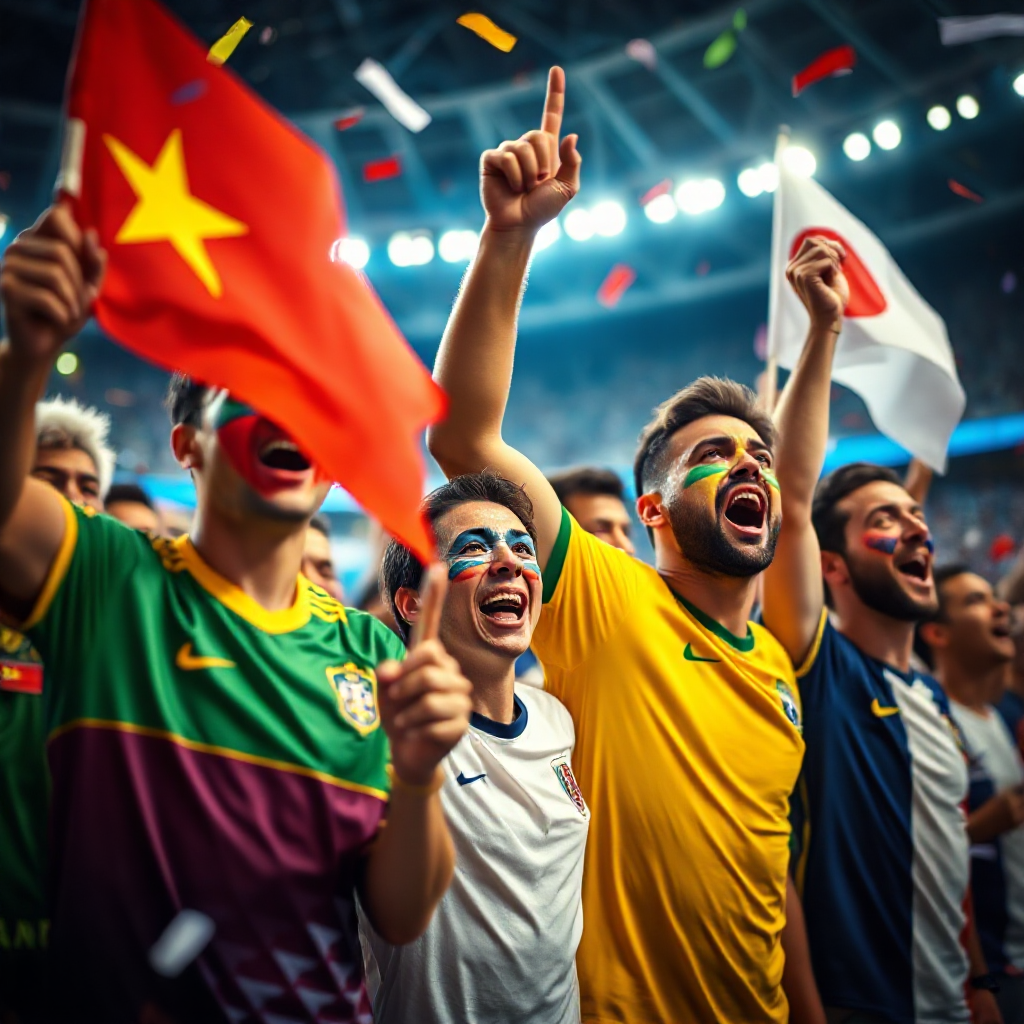
 Hình minh hoạ: da88
Walking Through the User Journey: From Entry to Support
The experience begins long before the first ball is played. Users arriving at a coverage hub expect immediate visibility into fixture details, broadcast schedules, and alternative viewing pathways. A calm, structured landing page that separates live access from historical archives reduces cognitive load. When searching for the Marseille versus Lyon fixture, visitors benefit from clear navigation that distinguishes pre-match analysis, live commentary tracks, and post-match statistical breakdowns. Platforms that bundle these elements under unified menus tend to retain users longer, especially when the game remains competitive through eighty minutes.
Registration represents the second critical checkpoint. Independent reviewers consistently observe that streamlined sign-up flows require only essential contact information and a secure password, while explicitly stating data retention policies. Compulsory document uploads during active match windows introduce unnecessary latency. Users should verify whether the platform operates under recognized data protection frameworks, cross-referencing privacy notices against local regulations before committing personal details. A well-designed system allows guests to explore basic fixture information immediately, reserving deeper analytics and notification preferences for registered accounts.
Once inside the live environment, the interface dictates how smoothly users absorb real-time developments. A balanced layout places primary match controls above the fold, keeps secondary statistics accessible through collapsible panels, and avoids intrusive overlays that obscure pitch visuals or commentary text. When both sides trade leads and maintain equal pressure, clear chronological logging becomes essential. Users appreciate timestamped event markers, verified assistant referee signals, and transparent injury time disclosures. If the coverage team maintains consistent update cadence, viewers can follow tactical adjustments without relying on fragmented social media threads.
Support infrastructure determines how effectively platforms resolve unforeseen complications. During high-volume periods, dedicated troubleshooting queues that acknowledge ticket priority levels prevent minor connectivity glitches from derailing the entire viewing session. Reviewers note that successful platforms provide multilingual help centers, searchable knowledge bases, and direct messaging options that remain functional even when automated chatbots face overload. Users who encounter payment discrepancies, notification failures, or streaming interruptions should document error codes and network diagnostics before initiating contact, which significantly accelerates resolution timelines.
The post-match phase often receives less attention than kickoff, yet it heavily influences long-term engagement. Comprehensive coverage extends beyond the final whistle by publishing verified match reports, manager interview transcripts, and performance heatmaps. Users benefit from centralized archives where they can retrieve highlight compilations, referee decision explanations, and upcoming fixture previews. Platforms that maintain transparent moderation policies regarding fan discussions also reduce exposure to unverified rumors or coordinated harassment campaigns. Responsible viewership requires setting daily engagement limits, verifying source credibility, and recognizing that algorithmic recommendation engines may prioritize sensational headlines over tactical nuance.
When evaluating how different providers handle these phases, many users reference established industry standards before committing subscriptions. Some independent operators position themselves as alternatives to mainstream broadcasters, emphasizing reduced latency and localized commentary tracks. A notable example includes services like da88, which attempt to bridge regional broadcasting gaps by offering synchronized multi-language feeds and modular dashboard configurations. Whether such solutions align with individual expectations depends on network stability, preferred statistic depth, and comfort with third-party data aggregation practices.

How Coverage Metrics Stack Up Against Standard Broadcast Alternatives
| Evaluation Dimension | Third-Party Coverage Platforms | Official League Broadcasters |
|---|---|---|
| Registration Requirements | Variable; often minimal for guest mode, enhanced verification for premium features | Strict subscription ties; mandatory billing and geographic licensing checks |
| Update Latency | Dependent on data partnerships; can range from near-synchronous to slightly delayed | Highly synchronized with official production feeds and VAR review protocols |
| Statistical Depth | Modular; users often select preferred metric categories rather than receiving full broadcasts | Comprehensive tactical breakdowns, advanced tracking data, and proprietary algorithms |
| Support Accessibility | Ticket-based portals with variable response windows; community forums supplement official channels | Dedicated customer success teams integrated with regional broadcasting compliance structures |
| Data Security Transparency | Privacy policies differ widely; users must verify encryption standards and third-party data sharing clauses | Regulated under strict media distribution laws; explicit data retention and deletion protocols |

Matching Viewer Profiles to Coverage Expectations
Certain audience segments align closely with independent coverage environments. Casual supporters who attend occasional matches, prioritize cost efficiency, and prefer flexible notification settings typically thrive on platforms that offer guest browsing, lightweight dashboards, and straightforward subscription tiers. These viewers value rapid access to core fixture details without navigating complex licensing restrictions. They also appreciate modular analytics that let them toggle between possession charts, shot maps, and disciplinary records according to personal interest.
Conversely, dedicated analysts and professional scouts often find third-party environments insufficient for deep tactical evaluation. Users who require frame-by-frame replay integration, player tracking coordinates, and referee positioning overlays usually rely on official broadcaster packages or licensed sports data vendors. The structural differences matter because analytical workflows depend on standardized metadata tagging, whereas general coverage platforms optimize for broad accessibility and rapid information delivery.
Regional viewers facing broadcasting blackouts represent another distinct group. Geographic licensing frequently restricts official transmission rights, leaving enthusiasts searching for alternative access routes. Independent hubs can temporarily bridge these gaps by aggregating localized commentary, translated press releases, and community-driven highlight repositories. However, sustainability varies considerably depending on partnership agreements, server capacity, and compliance with regional media distribution regulations.
Users who prioritize data privacy and transparent monetization models should approach any coverage provider with measured expectations. Platforms that clearly disclose ad placement strategies, affiliate link disclosures, and cookie consent mechanisms generally foster stronger long-term trust. Those relying on aggressive pop-ups, mandatory email verification loops, or unverified payment gateways risk frustrating users during peak match hours. Calm assessment of terms of service, combined with trial periods where available, helps individuals identify providers whose operational philosophies align with personal viewing habits.

Steps to Optimize Your Viewing Experience
- Prepare Network Conditions Before Kickoff: Run a connectivity diagnostic using standard speed testing tools, disable background applications that consume bandwidth, and switch to wired connections when possible to minimize packet loss during live sequences.
- Complete Account Setup Using Verified Credentials: Register with a dedicated email address, enable two-factor authentication if supported, and store recovery keys securely to prevent unauthorized access during high-traffic windows.
- Configure Notification Preferences Strategically: Limit alerts to critical match events such as goals, red cards, and final whistle confirmations to avoid notification fatigue and preserve battery life on mobile devices.
- Document Technical Issues Immediately: Capture screenshots of error messages, note exact timestamps, and record browser console logs if applicable before contacting support to accelerate troubleshooting procedures.
- Verify Source Credibility Post-Match: Cross-reference official club statements, league federation publications, and accredited sports journalism outlets before accepting crowd-sourced analyses or unverified statistical claims.
Frequently Asked Questions
Is it necessary to create an account to access basic match updates?
Most coverage platforms allow guest browsing for headline results and scheduled kickoffs. Deeper analytics, personalized alerts, and archived highlight libraries typically require registered credentials to maintain data integrity and comply with privacy regulations.
How quickly are updated statistics published after a match concludes?
Publication speed depends on data partnership agreements and server processing capacity. Reputable providers usually finalize verified match reports within forty-five to sixty minutes after the final whistle, though preliminary lineups and provisional event logs appear earlier.
What should I do if live commentary delays exceed normal thresholds?
Switch to asynchronous text feeds or audio replays if available, refresh the dashboard manually, and consult the platform status page for known infrastructure incidents. Persistent delays often indicate upstream data pipeline congestion rather than localized account errors.
Can I export match data for personal analysis or academic purposes?
Export functionality varies by subscription tier. Free tiers usually restrict bulk downloads to prevent scraping violations, while premium accounts often permit CSV or JSON exports subject to usage limits and attribution requirements.
How do platforms handle disputes over controversial referee decisions?
Established services publish neutral match reports referencing official league bulletins, avoid speculative commentary, and maintain clear separation between editorial analysis and verified event logs. Users seeking authoritative rulings should consult the governing body’s official disciplinary communications.
The choice between independent coverage hubs and traditional broadcasting networks ultimately hinges on what you prioritize during live sporting events. If your main objective is cost-efficient access, modular statistics, and flexible notification control, exploring third-party platforms can deliver a functional viewing pathway. If you require institutional-grade tactical breakdowns, guaranteed low-latency synchronization, and regulated data governance, official league partnerships remain the safer route. Test available trial periods, compare privacy disclosures side by side, and adjust your configuration based on actual network performance rather than marketing claims. When these conditions align with your viewing habits, the platform will serve your needs reliably; otherwise, reverting to licensed broadcasters ensures consistency without compromise.